Wise Prepay Energy

Solving a core trust problem through character-led storytelling, simplified messaging, and an AI-assisted workflow that cut production costs by 50%.

Role

Lead UI/UX Designer

enabled

Tools

Figma, ChatGPT, SVG Animation

Type

UI/UX Design, Prototyping, Developer Handoff

"This is one of my most memorable projects. The core issue wasn't a visual problem — it was a trust problem. Once I understood that, the entire design direction became clear."

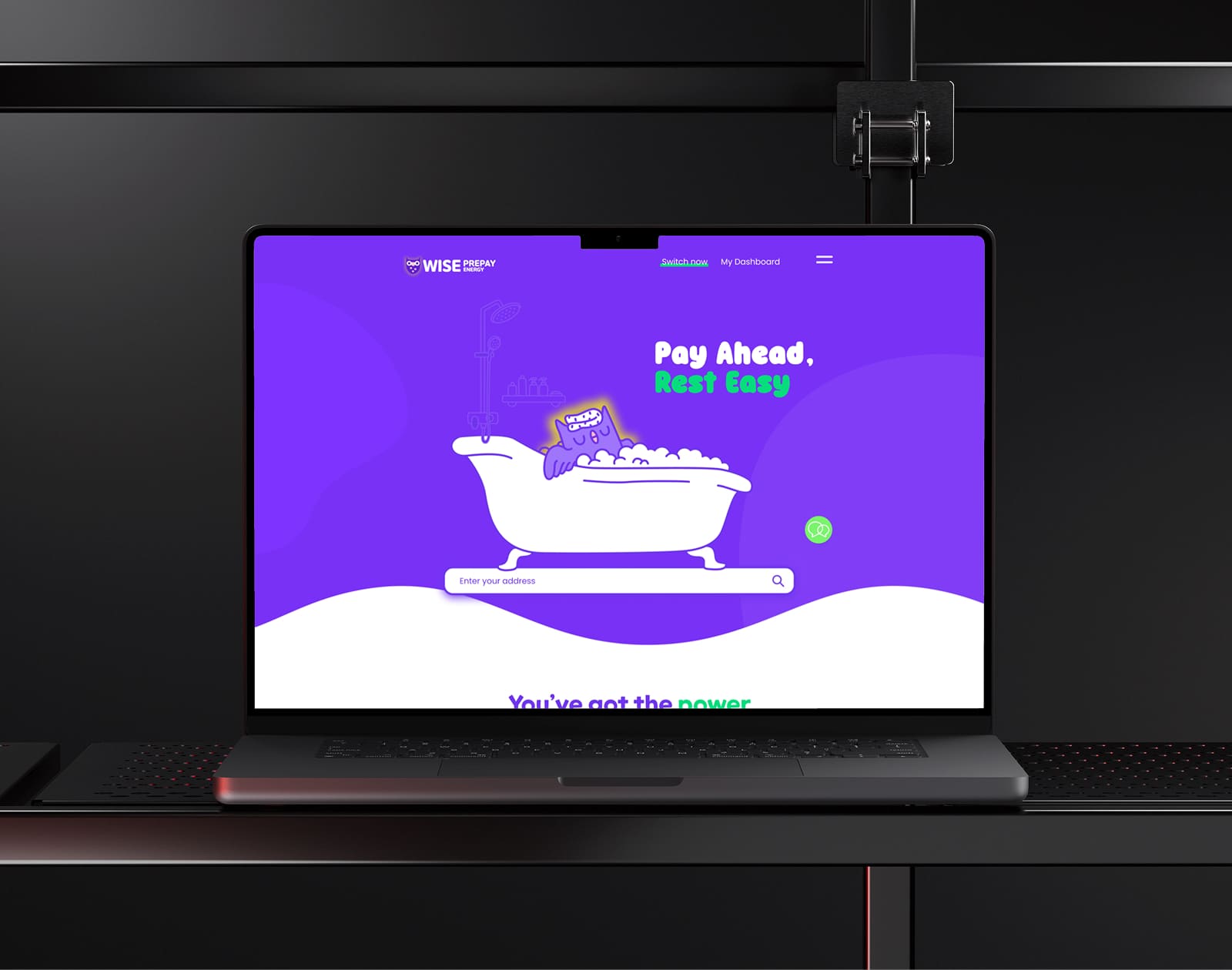
Wise Prepay website overview

Overview

The real problem was perception — and design had to solve it

Wise Prepay is a prepaid electricity service in New Zealand with strong value (no contract, no credit check), but it was struggling to convert and retain. The team assumed UX was the issue; GA funnel analysis showed otherwise. Many visitors thought prepaid meant expensive or a last resort — and left before understanding the offer. The real problem was trust and communication. The challenge was to reframe what Wise Prepay actually was at every key touchpoint.

Funnel drop-off

Before the value proposition reached users

Perceived vs actual

No contract, no credit check — offer not landing

50%

Reduction in production cost (AI-assisted workflow)

↑↓

Post-launch

Top-up completions up / support tickets down

What users believed

  • Prepaid = expensive, or only for people with bad credit
  • No contract = unreliable or inferior service quality
  • Uncertain what would happen if they ran out of credit
  • Couldn't see the product's value before signing up

What was actually true

  • No contract — complete flexibility, leave anytime
  • No credit check — accessible to everyone
  • Full transparency on usage and spending
  • Simpler, more predictable billing than postpaid plans

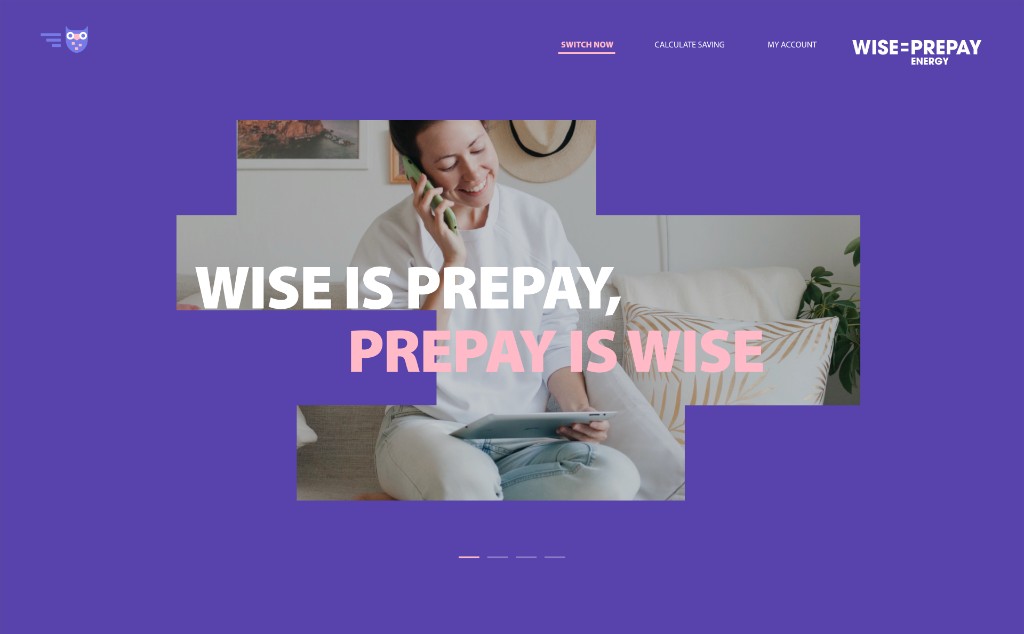
Existing website

Wise Prepay — MANAGE EVERYTHING ONLINE
Wise Prepay — WISE IS PREPAY, PREPAY IS WISE
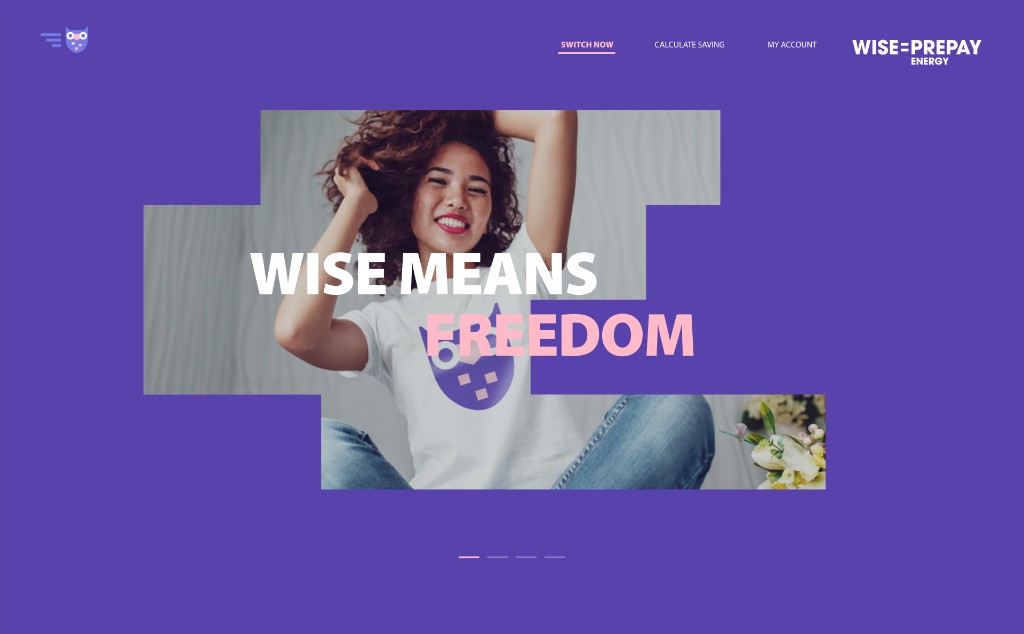
Wise Prepay — WISE MEANS FREEDOM
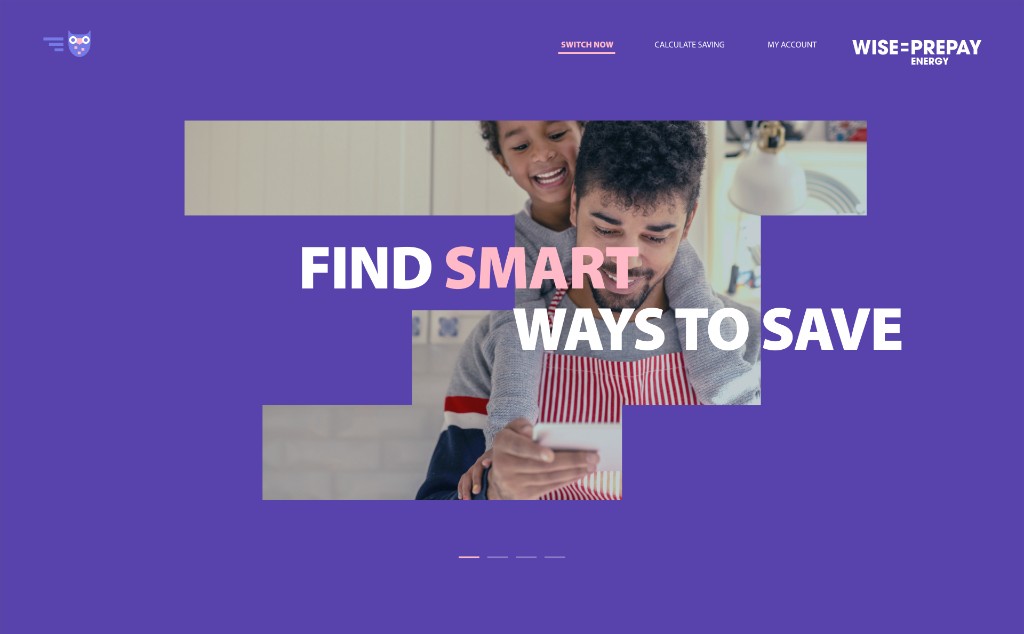
Wise Prepay — FIND SMART WAYS TO SAVE

Research

User research

I usually start every project by framing the problem through user interviews and stakeholder feedback. For Wise Prepay, the fastest way to validate the hypothesis was to follow the data first. The GA funnel confirmed significant drop-off exactly where users would encounter the value proposition — they weren't confused by the interface, they were leaving because the messaging hadn't convinced them the product was for them.

Interviews with existing and churned customers reinforced this: the brand felt cold, the tone was generic energy-company language, and there was nothing to build an emotional connection with. Critically, many users hadn't even registered the "no contract, no credit check" offer — the most compelling part of the product was buried.

Research methods

  • User interviews — existing customers, churned customers, and prospects
  • Stakeholder sessions — aligned on business goals and brand positioning
  • Competitor audit — mapped how other NZ energy brands communicated value

Key findings

  • Perception gap: users assumed prepaid = expensive or last resort
  • Value not landing: "no contract, no credit check" was buried or unclear
  • No emotional hook: nothing in the brand built trust or warmth
  • Support anxiety: users unsure what would happen if credit ran out

Design

Redesigning key touchpoints to rebuild trust

With a clear problem definition, I defined the concept and translated it into detailed UI and interaction design. The approach had three pillars: simplify the message, use character-led explanations so people could understand the product intuitively, and add warm micro-interactions and clear, detailed guides to make the experience feel reassuring rather than transactional.

1

Simplify the message

Rewrote key pages around a single, clear value proposition surfaced immediately: no contract, no credit check, full control. Removed jargon and generic energy-company language.

Value proposition visible within 5 seconds of landing on the page

2

Character-led explanations

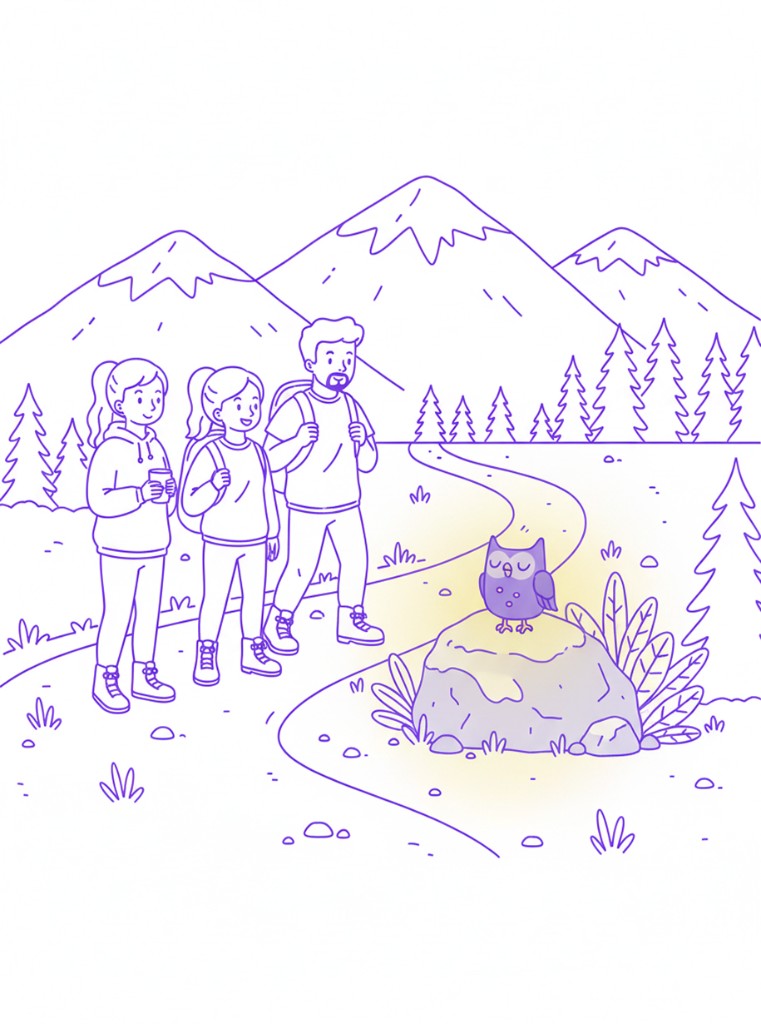
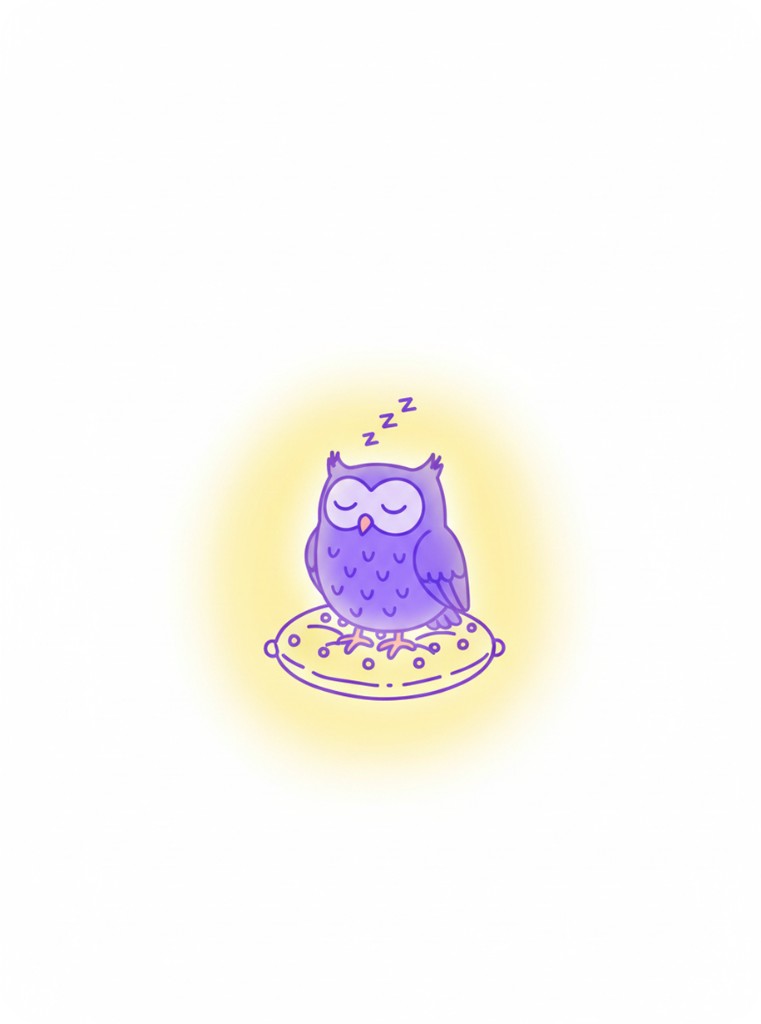
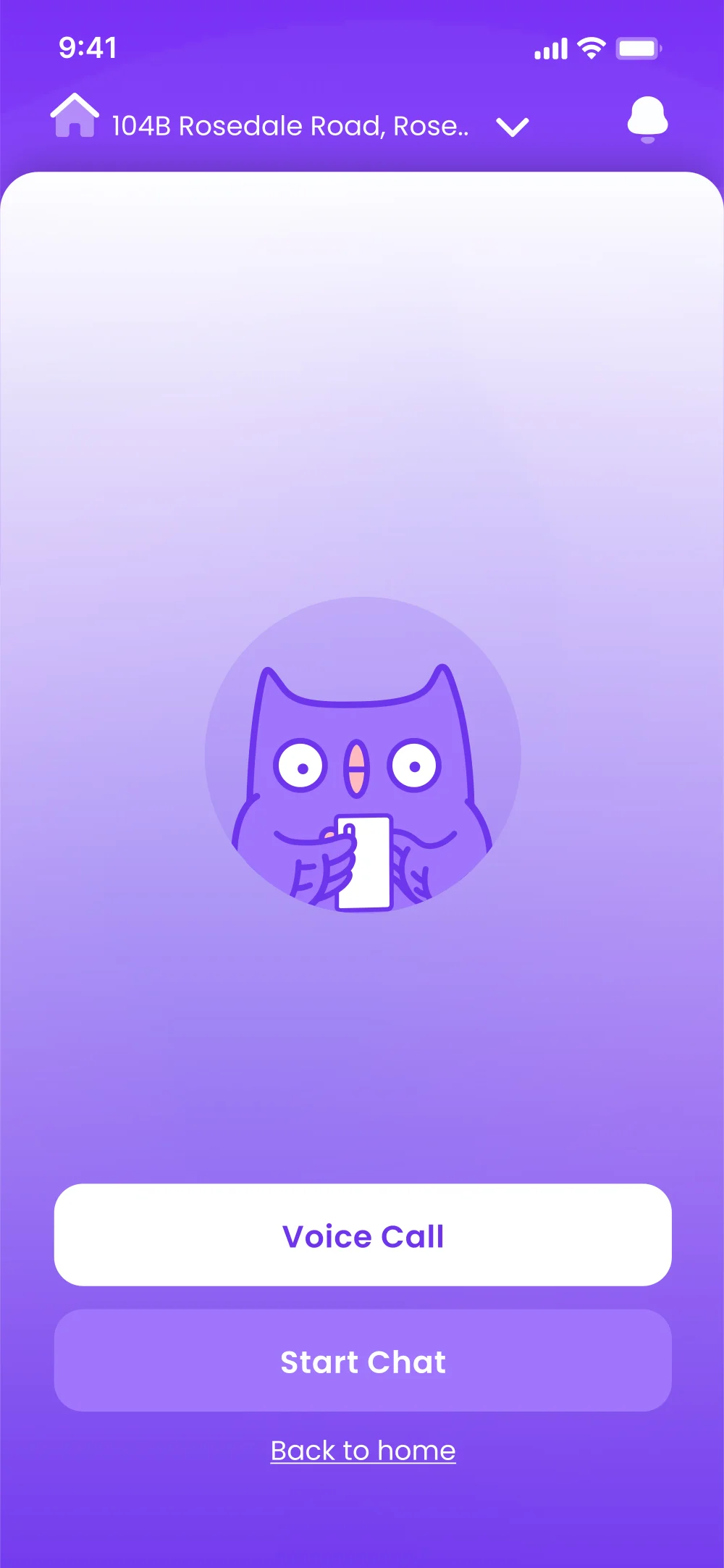
Redesigned the owl mascot with a hand-drawn vector style and a full expression library. The character guides users through complex or anxiety-inducing steps — top-ups, disconnection scenarios, onboarding.

Users described brand as "friendly" and "easy to understand" in post-launch feedback

3

Warm micro-interactions & clear guides

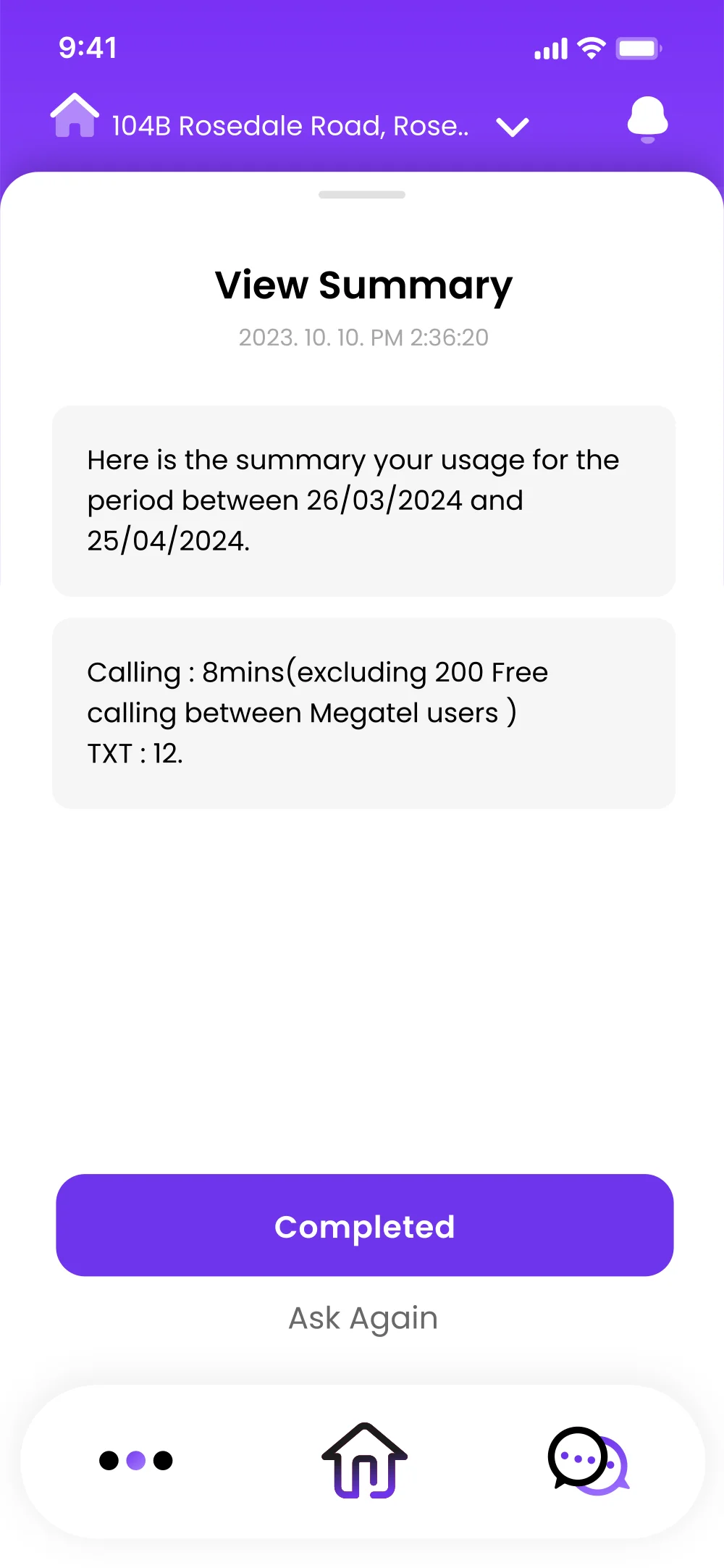
Added contextual reassurance at every point of uncertainty: what happens if you run out of credit, how top-up works step by step, what "no contract" really means in practice.

Support ticket volume on common questions decreased post-launch

Character-led explanations

Design Solutions

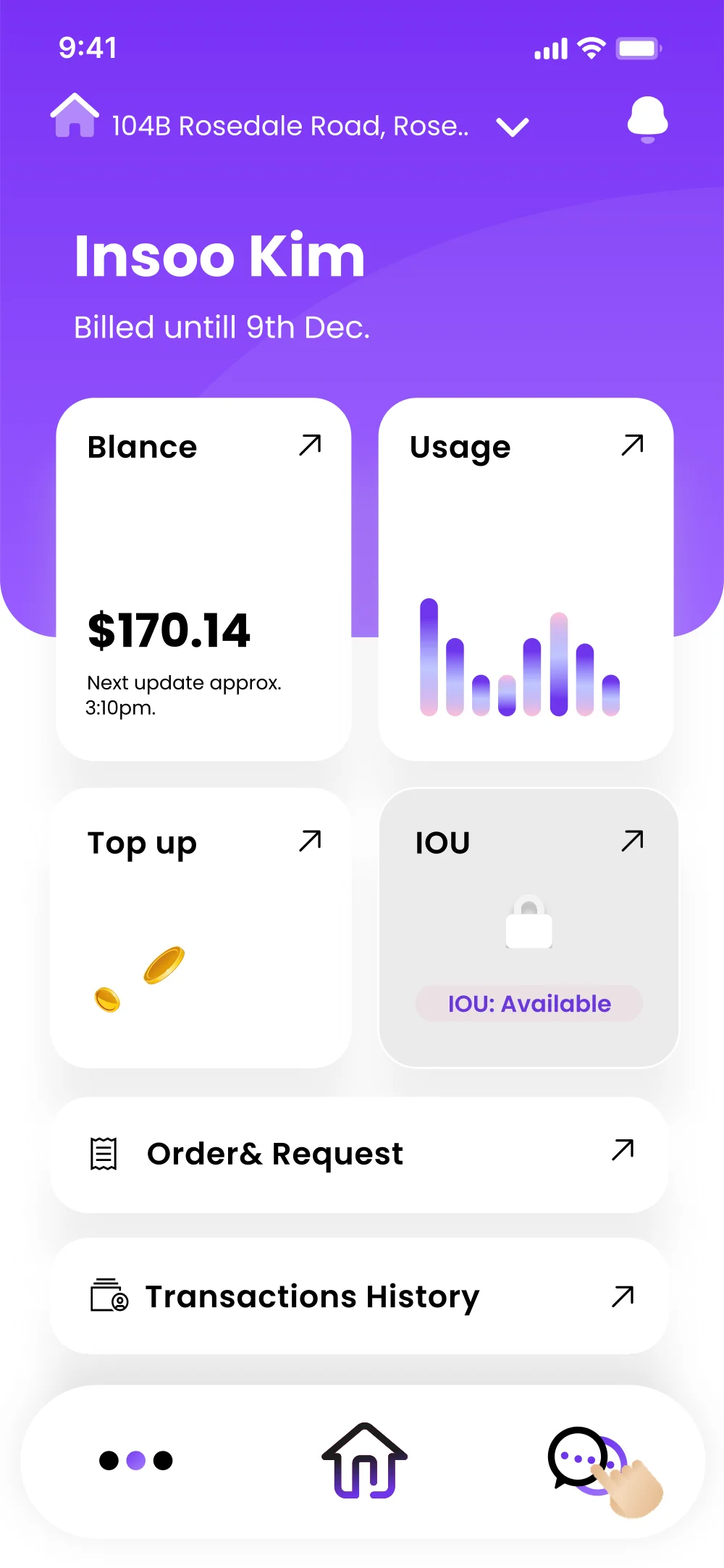
Visual balance dashboard

Made balance the hero: remaining credit, estimated days left, and clear “safe / warning / critical” states—then revealed meter details only when needed.

Why it works

Users see risk instantly and know what to do next

One-click top-up

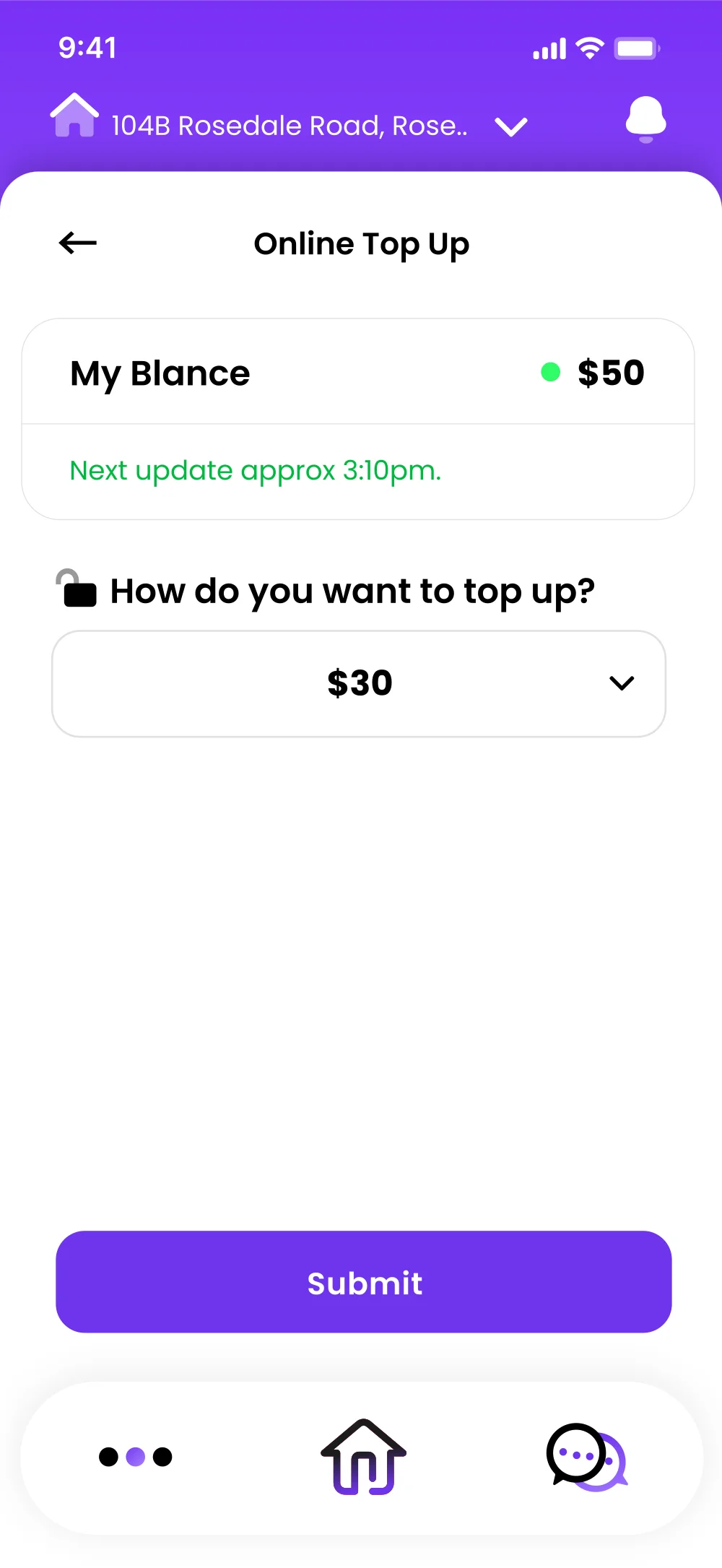
Reduced top-up to a short, safe flow with saved payment methods, quick amounts, and a high-trust confirmation screen.

Why it works

Fewer steps during low-balance anxiety moments

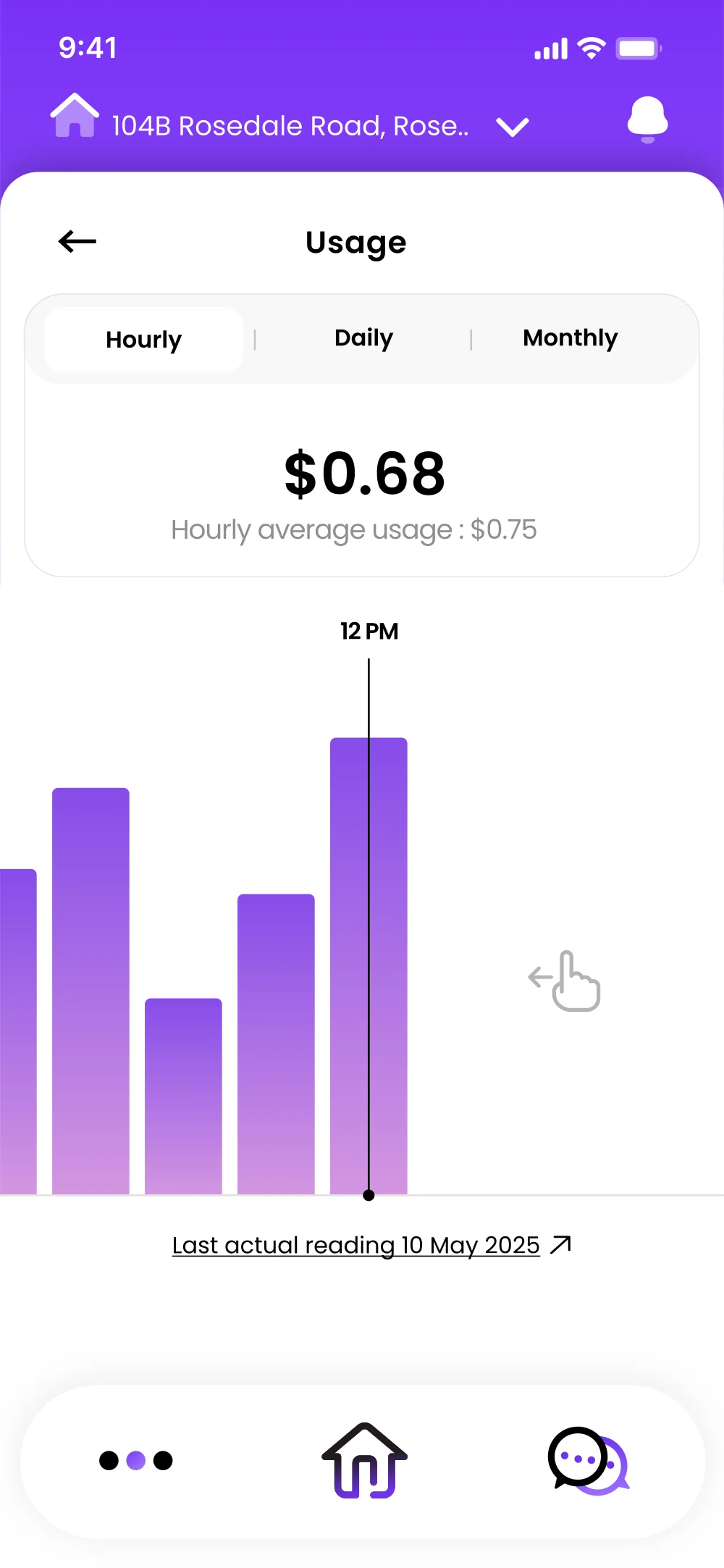
Usage analytics with context

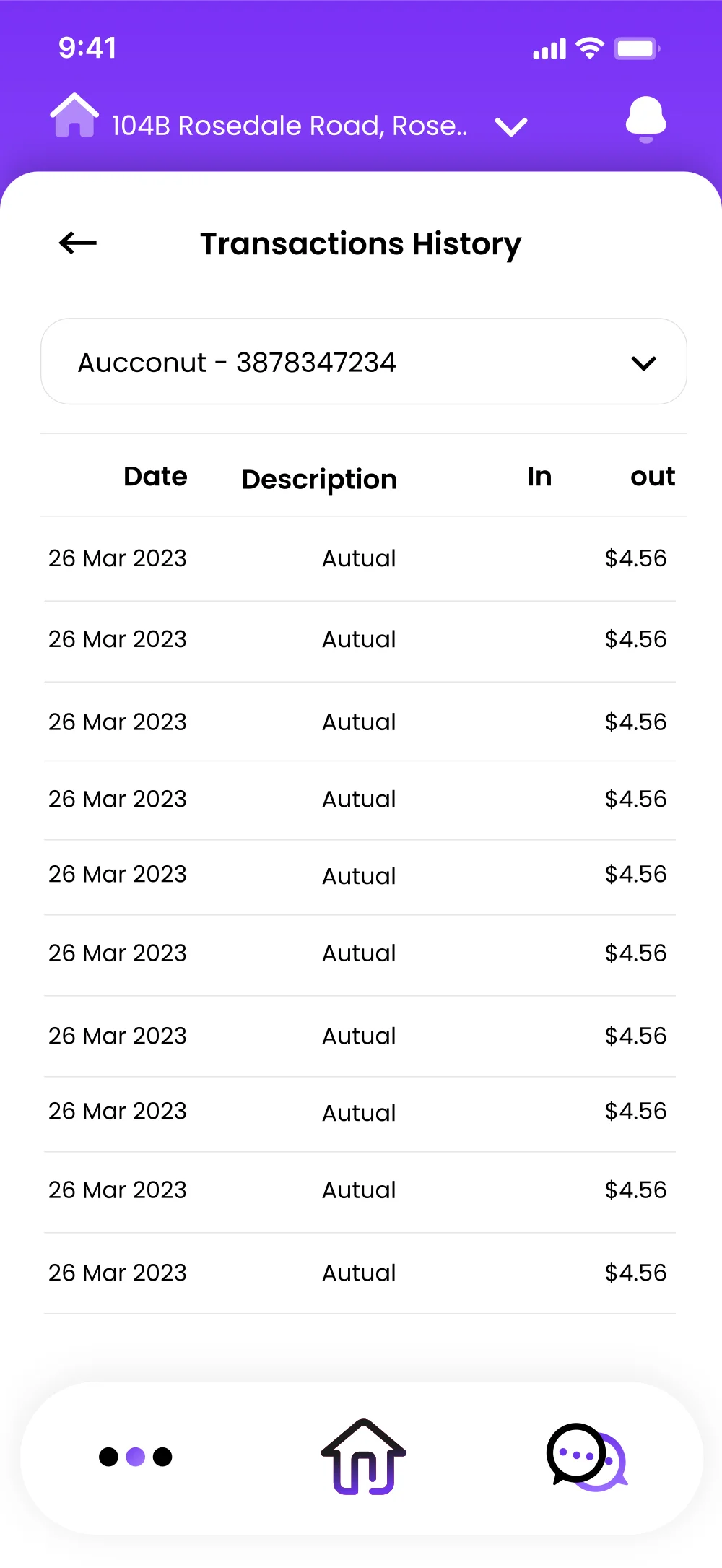
Started with simple trends (daily/weekly) and added plain-language explanations so spikes feel understandable—supporting better planning and energy-saving behavior.

Why it works

Turns “mystery usage” into actionable insight

AI & Character

Using AI to rapidly generate and test story directions

To rebuild trust, the brand needed a consistent, emotionally resonant story — not just better copy. I applied storytelling with AI tools to rapidly generate and test different narrative and visual directions before committing to hand-drawn production. What would normally take weeks of concept rounds was compressed into days.

The selected direction was then refined into production-quality hand-drawn vector illustrations. Previously, Wise Prepay used outsourced copywriters and an external branding agency for this kind of work. We measured cost by comparing supplier invoices for similar deliverables before and after. The overall cost came out to roughly half — approximately 50% savings.

AI workflow

  • Generated 50+ character and scene concepts in Midjourney
  • Clustered outputs into three personality directions for stakeholder alignment
  • Used selected AI references as creative briefs for hand-drawn vector refinement
  • Tested multiple narrative framings before finalising copy direction

Before vs. after (cost)

  • Before: outsourced copywriters + external branding agency
  • After: AI-assisted in-house workflow with senior design direction
  • Measured by comparing supplier invoices for comparable deliverables
  • Outcome: ~50% reduction in production cost for brand and content assets

AI Storytelling

< /> ChatGPT

STORY 1

The Owl's Gift

(Shortened Version)

In a small town in New Zealand, a quiet couple named Honuka and Aroha suddenly disappeared. When they returned, they looked exhausted and were carrying a glowing baby.

For years, they had struggled to have a child. Long ago, an old man told them that "Ruru, the owl, would give them a child."

Later, Ruru appeared in their dreams and led them to a hidden cave in a nearby village. Inside the cave, guided by a shining owl, they found a glowing baby. By the time they returned home, a month had passed.

They believed the child was Ruru's gift and named her Ruru.

At night, the child's light revealed her true nature — transforming into an owl or a glowing screen that could share wisdom and foresee future events.

Only the narrator and his wife know the truth.

From their ordinary home in Waimaroa, the special child Ruru quietly shines, holding the hope of illuminating New Zealand's future.
< /> ChatGPT

STORY 2

Ruru and the Secrets of the Forest

(Shortened Version)

Deep in the forests of New Zealand's South Island, a mystical owl named Ruru guards an enchanted forest. Ruru can transform into a digital version of himself, bridging nature and technology.

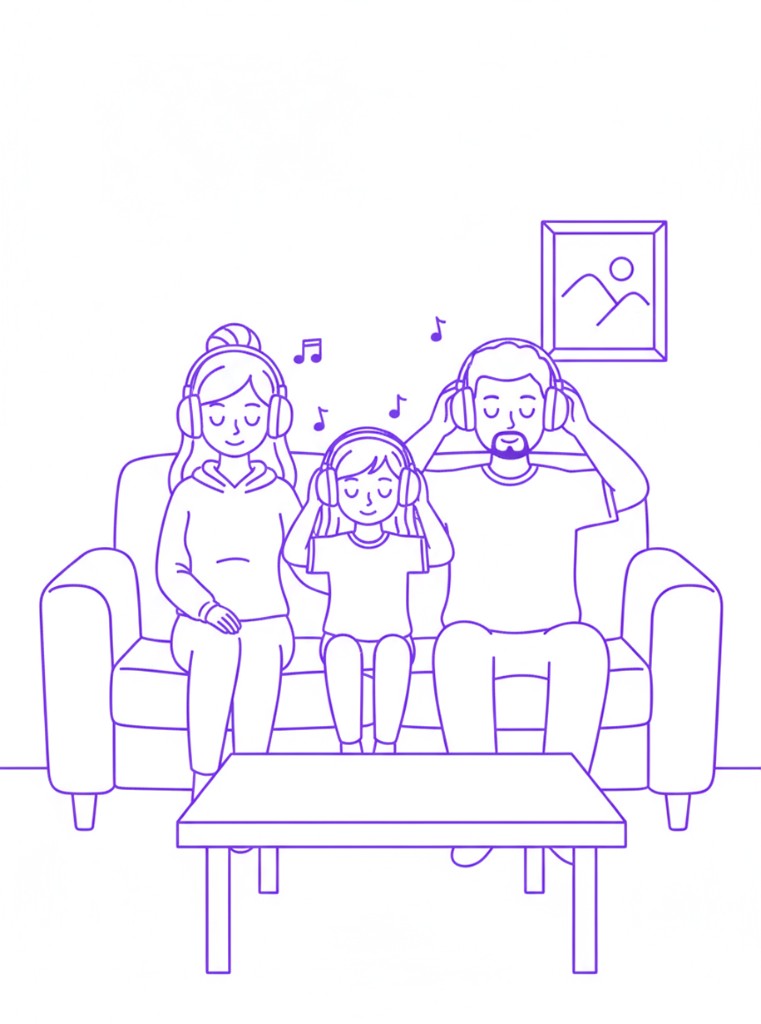
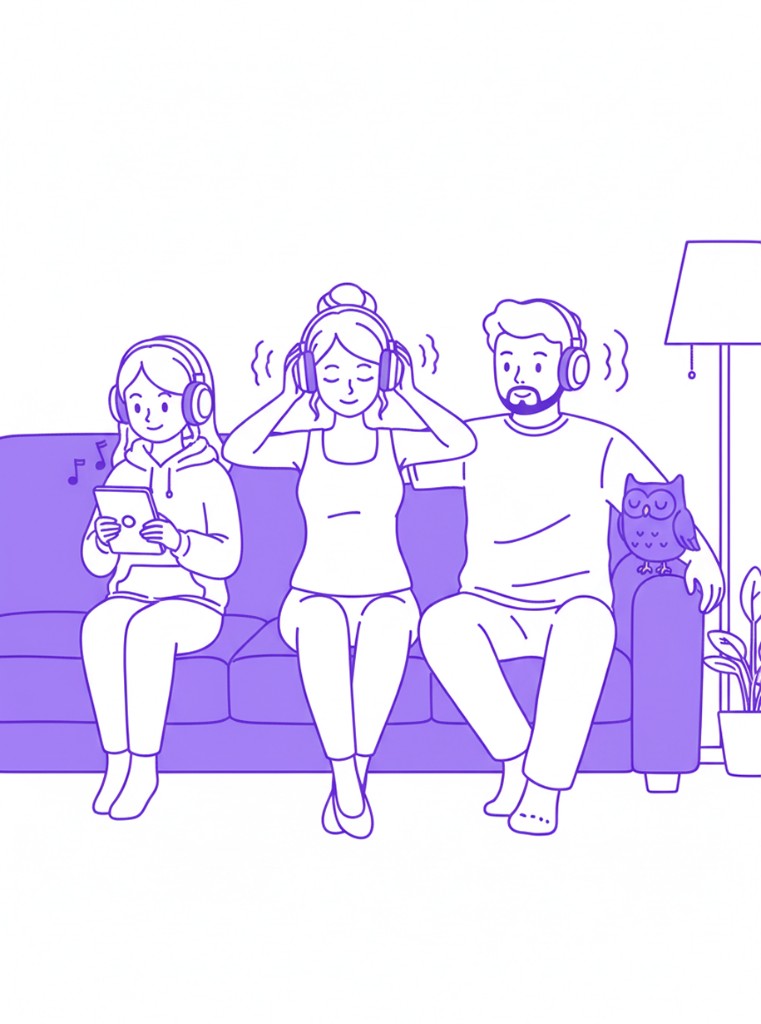
Tamati, an IT professional, his wife Anahera, a veterinarian, and their daughter Kiri journey into the forest to discover its secrets.

Guided by Ruru, they witness glowing trees, streams that project visions of the past and future, and digital melodies woven into nature.

Before they leave, Ruru shows them a vision of the future – a world where technology and nature exist in harmony, where forests thrive and communities live sustainably.

Inspired, the family returns home with a renewed sense of purpose.

Ruru remains in the forest, quietly guarding the bridge between the natural and digital worlds.

Design System

Design System

To keep things consistent, I built and maintained a Figma component library with design tokens. As the sole designer on the team, building a robust system up front was what made it possible to move fast without creating visual debt. It also meant the marketing team could operate independently post-launch.

Typography

Primary

Poppins

Main UI — headings and body copy across the product

Character-led

ONE MOBILE POP

Rounded, friendly typeface when the owl character leads the conversation

Color Palette

Brand Purple

#5B2D8E

Primary

#7C3AED

Light Purple

#DDD6FE

Success

#10B981

Background

#FFFFFF

Text

#111827

Validation

Prototypes first, then side-by-side with engineers

I validated the design with interactive prototypes in Figma — testing the core flows (onboarding, top-up, disconnection guidance) with stakeholders and a small group of existing customers before engineering handoff. I then worked side-by-side with the dev team until final launch, running QA against component specs and flagging any drift from design intent.

We tested two dashboard layouts with 50 existing customers over 3 weeks. The primary hypothesis: placing balance + “days left” + quick top-up above the fold would improve task success and reduce time-to-top-up.

50 participants
3-week testing period
5 key metrics

Prototype

Final design website

Live site — wiseprepay.co.nz

Variant A

WINNER

Dashboard with prominent balance display at top, quick top-up buttons, and visual usage chart below fold.

Top-up Completion

89%

Completed without assistance

Time to Top-up

32 sec

Average completion time

Variant B

Traditional layout with balance in sidebar, multi-step top-up wizard, and tabbed navigation for usage data.

Top-up Completion

56%

Many abandoned process

Time to Top-up

1m 45s

Users got confused by steps

Business Impact

73% increase

Self-service top-ups

Phone support requests dropped significantly

-42% reduction

Service disconnections

Users now top up proactively

Outcomes

Trust rebuilt, costs cut, team unblocked

The redesign addressed the core trust problem and delivered measurable results. Top-up completion increased and support tickets decreased — both signals that users now understood the product and felt confident using it independently. The AI-assisted workflow also delivered lasting operational value: the marketing team can now create and publish on-brand content without relying on external agencies or designer involvement for every update.

increased

Top-up completion rate

More users completing top-up without needing to call support

decreased

Support ticket volume

Fewer calls about how top-up works or what happens at disconnection

50% reduction

Production cost savings

Supplier invoices before and after AI workflow — replaced outsourced copywriters and branding agency

"The character functions as a friendly guide, helping users understand information in a simple, human-centred way. What started as a visual problem turned out to be a trust problem — and once we reframed it that way, every design decision became clearer."

Final

Key screens

Dashboard Home Electricity Monthly Electricity Monthly Electricity Monthly Latest reading history Latest reading history
View all projects